Home Revise Science Experiment Lab DVD(DVD)
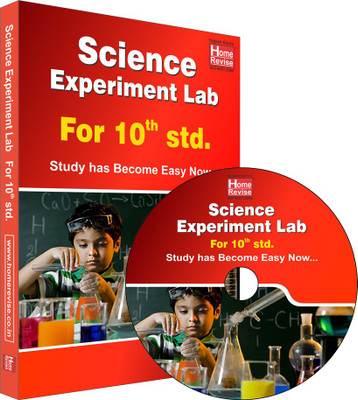
Home Revise
sku: EDMES45GAYD93V93
ACCORDING TO OUR RECORDS THIS PRODUCT IS NOT AVAILABLE NOW
$2.16
Shipping from: India
Description
"Children love to experiment independently. The Concept of Science will become clear only when the students perform experiments themselves. Science Experiment Lab gives the students actual chance to perform those experiments themselves at home due to interactive experiments. Also Interactive Question & Answer format provides a better understanding of science concepts & students can remember & write the answers in Exam.Features :-1) Based on the Textual Syllabus2) Interactive Experiments3) Interactive Question & Answers4) Learner friendly Presentations5) Useful for 5th to 10th std.Benefits:1) Increases positive attitude towards science2) Increases skill proficiency3) Increases independent thinking and decision making4) Increases logic development, perception and creativity"For 8th Std.1. To study the variation in the size, shape, body parts of various animals. For example, fish, squirrel, parrot, and Amoeba (on a slide).2. To study the variation in the size, shape and parts of plants. For example: grass, fenugreek, radish, Aloe.3. To study the effect of pressure exerted by solid, liquid and gaseous substances.4. To study the effect of pressure on fluid substances.5. To identify the type of a given magnet.6. To study the attraction and repulsion properties of a magnet.7. To study a combination reaction.8. To study an endothermic reaction.9. To study an exothermic reaction.10. To observe a plant cell under a microscope using a permanent slide.11. To observe an animal cell under a microscope using a permanent slide.12. To study how drinking water should be boiled, filtered and stored properly.13. To study the laws of reflection.14. To study how an electric current flows using a dry cell, bulb and conducting wires.15. To study the structure of a dry cell.16. To learn to recognize a cell, bulb, key and wires and the symbols used to represent them. [This should be done before carrying out Expt. 14.]17. To separate common salt and water from their solution by distillation.18. To observe, by burning a magnesium ribbon, that metals combine with oxygen.19. To study the different types of coal.20. To study the relationship between the types of soil, the size of its particles and its water-holding capacity.For 9th Std.1. To distinguish between true solution, colloidal solution and suspension2. To Prepare a mixture and a compound using iron filings and sulphur powder3. To study the chemical reactions and record the observation4. To verify the laws of reflection of sound.5. To determine the density of a solid (dense than water) by using a spring balance and a measuring cylinder 6. To establish the relation between the apparent in weight of a solid when fully immersed in (A) tap water (B) concentrated salt water, and the weight of water displaced by it.7. To measure the temperature of hot water as it cools and plot a time - temperature graph8. To determine the velocity of a pulse propagated through a stretched string / slinky9. Temporary mounting of onion peels10. To identify (A) Parenchyma and sclerenchyma tissue in plants (B) Striated muscles fibers Part (A)11. To Separate the components of a given mixture of sand, common salt and ammonium chloride (or camphor)12. To determine the melting point of ice and the boiling point of water13. A. Test of starch B. Test of adulterant14. Study of Plants15. Study of AnimalsFor 10th Std.1. Determination of pH of various solutions using pH paper/universal indicator.2. Study of the properties of acids and bases.3. Determination of the focal length of a concave mirror and a convex lens4. Measuring the angle of incidence, the angle of refraction, the angle of emergence and interpreting the results.5. Study of the dependence of current on the potential difference across a resistor and determination of its resistance.6. Determination of the equivalent resistance of two resistors connected in series.7. Determination of the equivalent resistance of two resistors connected in parallel 8.Studyofstomata.9. To prove that light is necessary for photosynthesis.10. To prove that carbon dioxide is given out during respiration.11. Study of binary fission in Amoeba and budding in Hydra.12. Determination of the percentage of water absorbed by raisins.13. Performing and observing different types of chemical reactions and their classification.14. Observing the actions of metals on aqueous solutions of salts.15. Study of the different properties of acetic (ethanoic) acid.
Price history chart & currency exchange rate
Customers also viewed


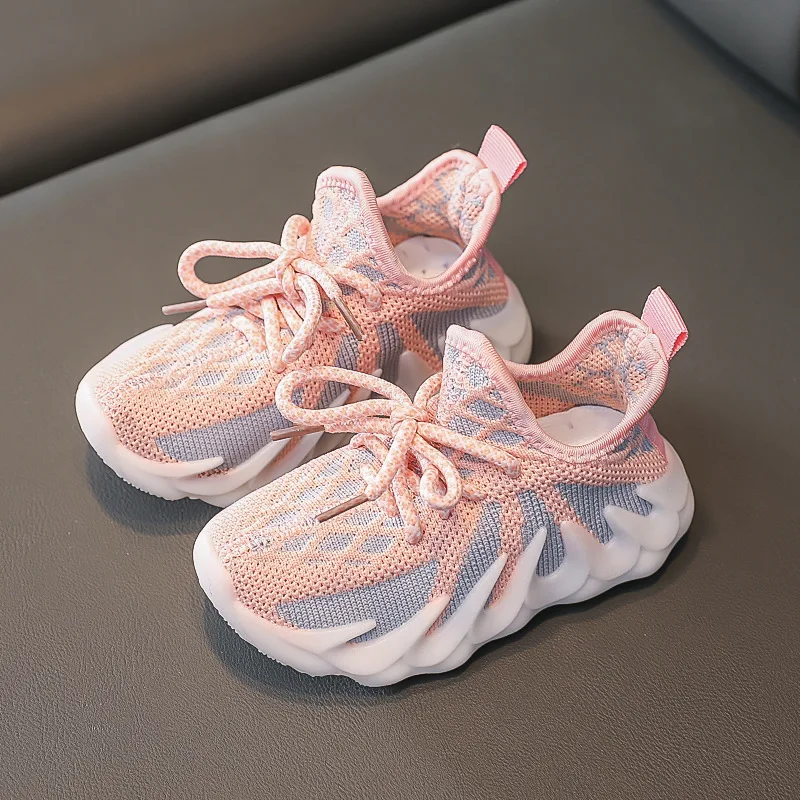
$10.69
Детская повседневная спортивная обувь, удобные дышащие кроссовки для бега, сетчатая мягкая обувь, Нескользящая Обувь На Шнуровке Для мален...
aliexpress.ru
$6.19
Смешной фартук для приготовления пиццы со звездным котом, для мужчин и женщин, Галактический котенок, для взрослых, унисекс, кухонный нагруд...
aliexpress.ru
$171.45
For Mercedes Benz E Class W213 2016-2020 LED Audio Sound Speaker Cover 64 Colors Trim Cover Case Emblem Cover 4Pcs/Set
aliexpress.com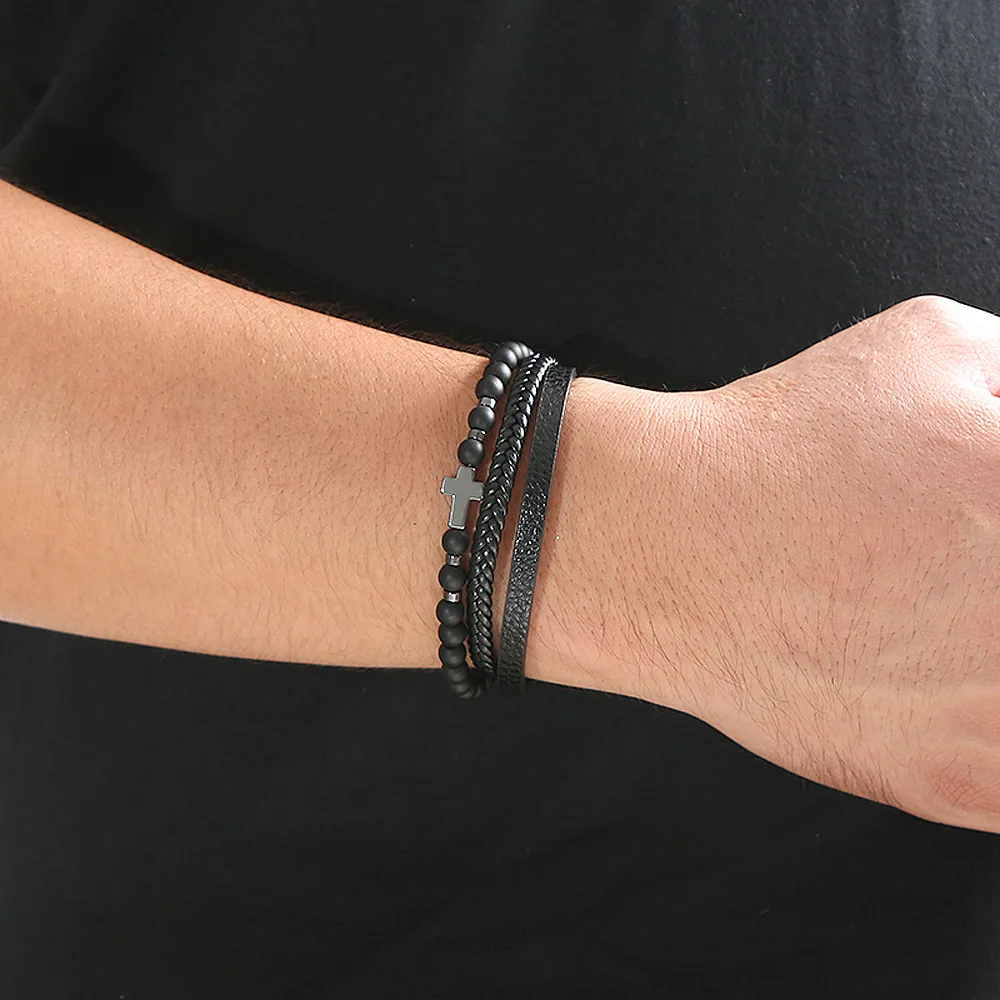
$7.78
2023 Luxury Charm Stainless Steel Men's Natural Stone Bracelet High Quality Magnet Clasp
aliexpress.com


$1.78
Модная сексуальная губная помада водостойкая стойкая матовая Косметика для макияжа красные губы
aliexpress.ru


$31.71
Перчатки Thor Thunder Leather 10 унций, red (529/13RED) 529/13(Leather) RED 10 oz.
rozetka.com.ua


